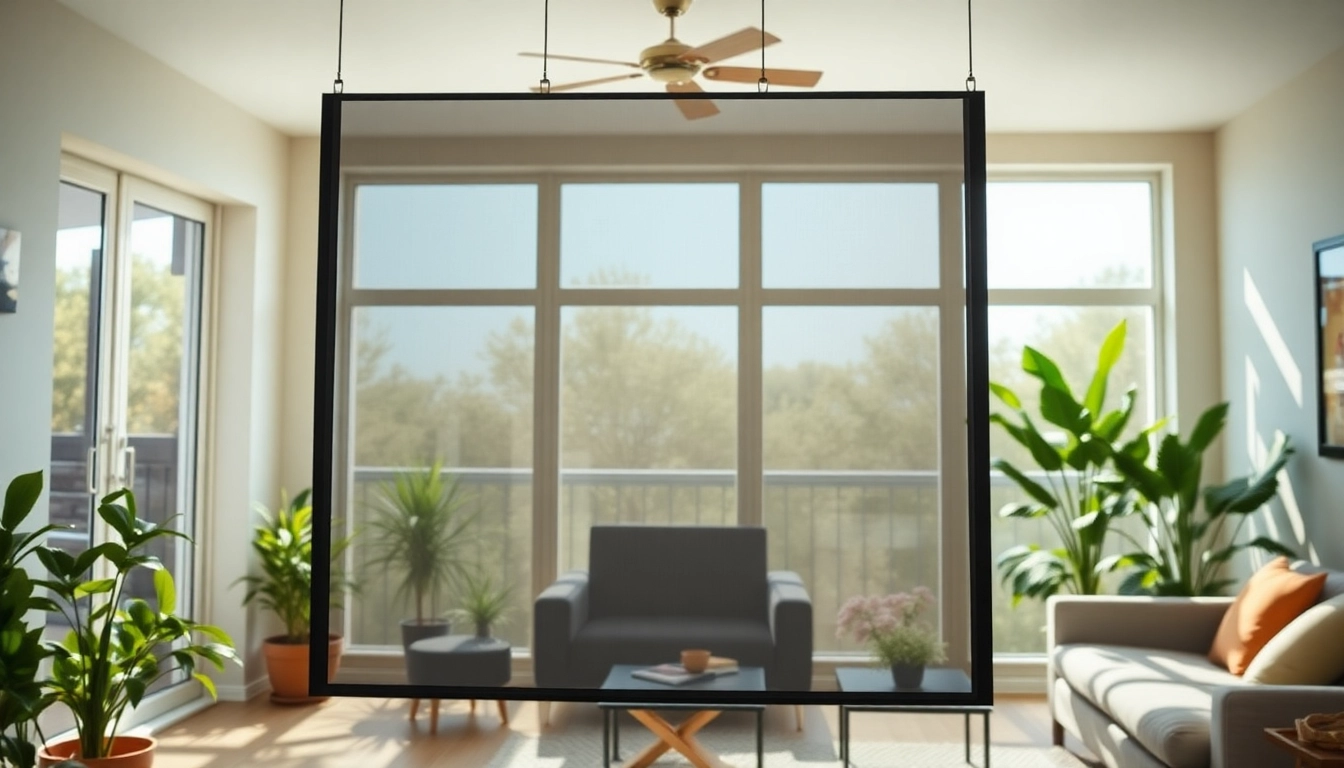
Understanding Flyscreenmaxx: The Basics
Flyscreenmaxx offers a range of innovative flyscreens designed to enhance home comfort while providing effective insect protection. A flyscreen is a mesh barrier fitted on windows, doors, or other openings to prevent insects from entering a space while allowing fresh air to circulate. This simple yet effective solution plays a crucial role in maintaining a comfortable indoor environment, especially in warmer months when windows are commonly opened to let in air. Investing in Flyscreenmaxx products not only improves indoor comfort but also protects your home from pests.
What is a Flyscreen?
A flyscreen, often referred to as an insect screen, serves as a protective barrier installed on windows, doors, and outdoor living areas. Made from durable mesh materials, flyscreens come in various styles and functionalities to cater to different needs. They allow airflow and visibility while preventing bugs, flies, and other unwanted insects from entering our homes. This essential home accessory is particularly valuable in warm climates where insect activity is high.
Benefits of Flyscreenmaxx Products
- Effective Insect Protection: Helps keep pests at bay, ensuring your living space remains comfortable and hygienic.
- Enhanced Airflow: Allows fresh air to circulate while maintaining a bug-free environment.
- Variety of Styles: Available in pleated, magnetic, and retractable designs, offering options that suit different décor and preferences.
- Durable Materials: Products are made from high-quality materials like fibreglass and polyester, ensuring longevity and ease of maintenance.
- Customized Solutions: Flyscreenmaxx offers tailored options to fit various window sizes and door types, providing a perfect fit for any home.
Choosing the Right Flyscreen for Your Needs
Selecting the right flyscreen involves understanding both your specific requirements and the nature of your living space. Consider the following factors when making your choice:
- Location: Determine the areas in your home that require screens based on insect activity and usage.
- Type of Screen: Decide between pleated, magnetic, or retractable options depending on your lifestyle and how frequently you open and close your screens.
- Material: Choose between fibreglass and polyester based on durability, visibility, and UV resistance.
- Color and Aesthetics: Opt for colors and styles that complement your home’s interior and exterior design.
Types of Flyscreens Offered by Flyscreenmaxx
Pleated Flyscreens: Design and Functionality
Pleated flyscreens provide a unique blend of aesthetics and functionality. They are designed to fold neatly away when not in use, providing an unobstructed view while ensuring effective insect protection when needed. These screens are particularly popular for large openings like patio doors, as they can be adjusted to fit the entire width without compromising the entrance space. Installation is straightforward, requiring minimal tools and effort, making them a convenient choice.
Magnetic and Retractable Flyscreens
Magnetic flyscreens offer an easy-to-use solution that can be opened and closed effortlessly. They consist of fine mesh panels with magnetic strips that allow for seamless entry while ensuring a tight seal to block insects. On the other hand, retractable flyscreens are designed to roll up discreetly when not in use. These options are ideal for homeowners who prioritize ease of operation without sacrificing aesthetics.
Material Options: Fibreglass vs. Polyester
Flyscreens can be constructed from various materials, but fibreglass and polyester are the most commonly used. Fibreglass mesh is resistant to corrosion, making it suitable for different environments, while polyester mesh boasts greater durability and resistance to wear and tear, ideal for frequently used screens. When choosing between the two, consider the longevity, maintenance requirements, and effectiveness in keeping insects out.
Installation Guide for Flyscreens
Preparation: Measuring Your Space
Before installing any flyscreen, accurate measurements are crucial. Start by measuring the width and height of the door or window where the flyscreen will be installed. It’s advisable to take measurements from multiple points to ensure precision, particularly if the area isn’t perfectly rectangular. Additionally, consider any obstructions that may affect screen installation, such as window handles or door frames.
Step-by-Step Installation Process
Installing flyscreens can be a straightforward project if you follow these steps:
- Gather Your Tools: You’ll typically need a tape measure, a level, a screwdriver, and potentially a power drill.
- Lay Out the Components: Components should be organized according to the installation instructions provided with your flyscreen.
- Install the Frame: Secure the frame of the flyscreen to the opening, ensuring it is level and securely attached.
- Fit the Mesh: Carefully attach the mesh screen to the frame, ensuring there are no folds or gaps that could allow insects to enter.
- Test Functionality: Open and close the screen to ensure it operates smoothly and fits snugly within the frame.
Common Installation Mistakes to Avoid
To achieve a successful installation, be aware of these common pitfalls:
- Incorrect Measurements: Always double-check dimensions before making a purchase.
- Skipping Preparation: Prepare the installation area by cleaning and clearing away any obstructions.
- Poor Sealing: Ensure the flyscreen is sealed tightly to prevent insects from entering.
- Neglecting the Instructions: Always refer to the manufacturer’s guidelines for proper installation steps specific to your product.
Maintenance and Care for Your Flyscreens
Cleaning Tips for Longevity
Regular cleaning is essential for maintaining the functionality and appearance of your flyscreens. Here are some practical tips for keeping your screens in top condition:
- Dusting: Use a soft brush or cloth to remove dust and debris regularly.
- Washing: Gently wash the screens with soapy water and a sponge; avoid abrasive materials that can damage the mesh.
- Drying: Air dry the screens completely before reinstallation or storage to prevent mildew buildup.
Inspecting for Damage and Wear
Periodic inspections can help catch damage early on. Look for tears, holes, or any signs of wear in the mesh material. Addressing small damages promptly can prevent more significant issues from developing and maintain the efficacy of the flyscreen in protecting against insects.
Seasonal Maintenance Recommendations
With changing seasons, specific maintenance routines can help prolong the life of your flyscreens:
- Spring: After winter, inspect for accumulated debris and clean thoroughly.
- Summer: Ensure that screens are intact and functioning, as insect activity peaks during this season.
- Fall: Remove screens and clean before storing for winter to prevent wear during harsh weather.
- Winter: Store screens in a dry, safe location if removable, to prevent damage from freezing temperatures.
Frequently Asked Questions About Flyscreenmaxx
What insect protection do flyscreens offer?
Flyscreens effectively block common household insects like flies, mosquitoes, and wasps, providing a barrier to enhance indoor comfort while allowing airflow.
Are flyscreens easy to install?
Yes, many flyscreen options are designed for easy DIY installation, often requiring minimal tools and straightforward instructions.
Can flyscreens be customized to fit my windows?
Flyscreenmaxx offers customizable solutions tailored to fit various window and door sizes, ensuring a perfect fit for your space.
How do I clean my flyscreen effectively?
For effective cleaning, use a soft cloth or brush, mild soap, and water. Ensure to rinse thoroughly and allow the screen to air dry completely.
What materials are used in Flyscreenmaxx products?
Flyscreenmaxx products are commonly made from fibreglass and polyester, each offering unique durability and visibility to cater to different preferences.