
Understanding Central Heating Hidden Leaks
Central heating hidden leaks can pose significant problems for homeowners. Not only can they result in costly repairs, but they can also lead to damage that may affect the structural integrity of your home. Identifying these leaks early is vital to maintaining an efficient heating system and preventing potential disasters. In this article, we will delve into what causes these hidden leaks, the signs to watch out for, and the risks associated with them. Moreover, we will explore effective detection methods and the advanced technologies available today to help mitigate these issues.
What Causes Central Heating Hidden Leaks?
There are several potential causes of hidden leaks in central heating systems:
- Corrosion: Over time, pipes can corrode due to the chemical reactions between the water and the metal in the pipes. This is especially common in older systems.
- Excessive Pressure: When the water pressure in the heating system exceeds safe levels, it can lead to leaks, particularly at joints and fittings.
- Temperature Changes: Fluctuations in temperature can cause the pipes to expand and contract, which can weaken connections and create leaks over time.
- Faulty Installation: Poorly installed pipes or valves can lead to leaks almost immediately, particularly if they are not sealed correctly.
- Wear and Tear: As systems age, components can deteriorate, leading to cracks or breaks in the pipes.
Signs of a Central Heating Hidden Leak
Identifying a hidden leak can be challenging, but being vigilant about the signs can make a significant difference. Common indicators include:
- Increased Energy Bills: A sudden spike in your heating bills without any clear reason suggests that your system is using more energy, possibly due to a leak.
- Damp Patches: Look for water stains on walls, ceilings, or floors, which may indicate a leak’s location.
- Odd Sounds: Gurgling or hissing noises coming from your heating system can point to air trapped in the system, often caused by water escaping.
- Pressure Drops: If you find yourself frequently needing to top up the pressure in your boiler, it could be a signal of a hidden leak.
Potential Risks and Consequences
Failing to address a hidden leak can lead to numerous consequences:
- Structural Damage: Water can erode materials, resulting in weakened walls, ceilings, or even foundations if leaks persist.
- Mold Growth: Persistent moisture creates the perfect environment for mold, posing health risks and requiring costly remediation.
- System Inefficiency: Leaks reduce the overall efficiency of your heating system, leading to higher consumption of energy and increased costs.
- Safety Hazards: Leaks involving gas lines can create serious safety risks, potentially leading to explosions or health hazards.
How to Detect a Central Heating Hidden Leak
Detecting a hidden leak in your central heating system involves a mix of vigilance and the right tools. Various methods can be employed, from DIY techniques to professional services that utilize advanced technology to pinpoint leaks accurately.
Essential Tools for Leak Detection
Here are some tools often used for detecting hidden leaks in central heating systems:
- Pressure Gauge: This device measures the system’s water pressure and helps in identifying sudden drops that might indicate a leak.
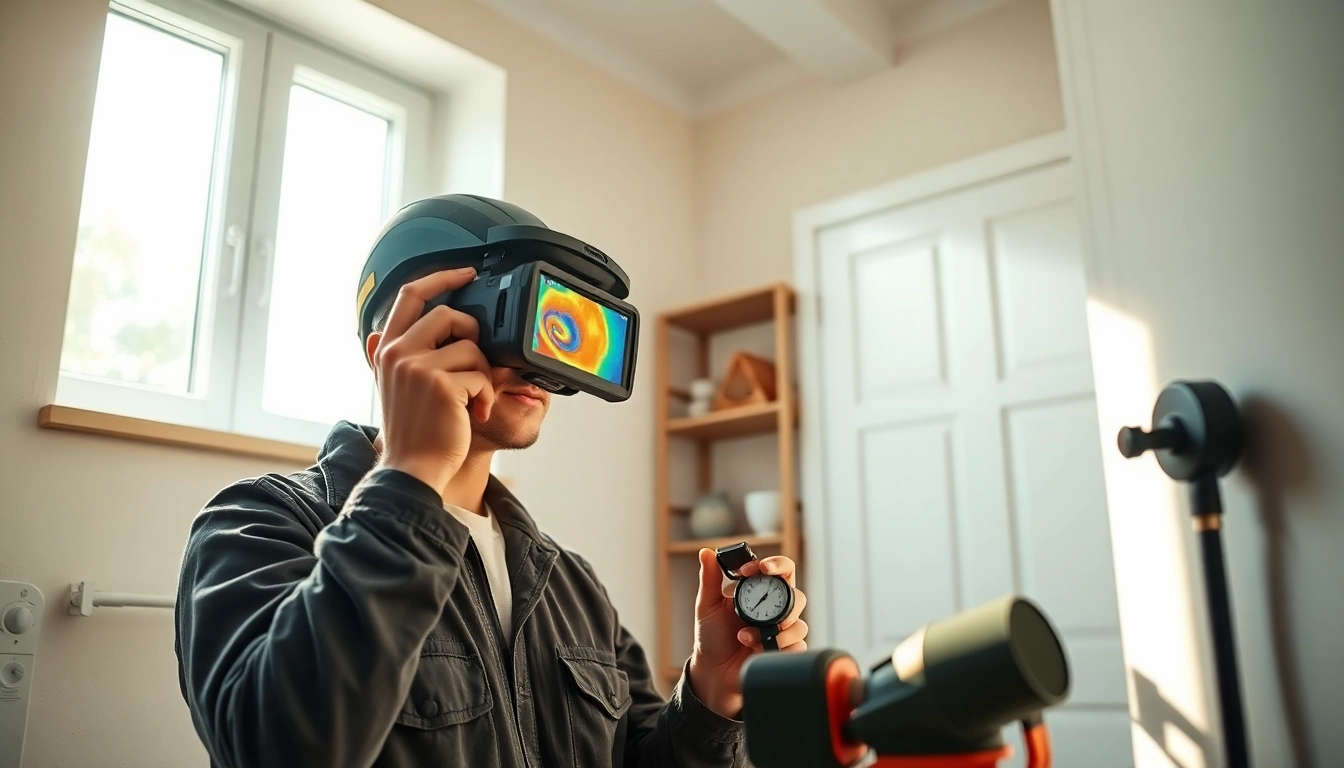
- Thermal Imaging Cameras: These cameras identify temperature variations in walls or floors, highlighting areas where heat loss may suggest a leak.
- Moisture Meters: These instruments can detect moisture levels in various materials, useful for locating damp spots indicative of leaks.
Professional vs. DIY Detection Methods
While some homeowners may attempt to find leaks themselves, calling in a professional is often the more effective route. Professionals have access to specialized equipment and experience that can pinpoint issues without causing additional damage. DIY methods such as listening for hissing or checking for dampness can be effective but may lead to missed leaks.
When to Call a Leak Detection Specialist
It’s wise to consult a leak detection specialist if you notice any signs of a central heating hidden leak or if you find yourself frequently adjusting your heating system’s pressure. Professionals use advanced techniques to locate leaks accurately and efficiently, ensuring your home remains safe and your heating system operates optimally.
Advanced Techniques for Leak Diagnosis
The modern world of leak detection is evolving with impressive technologies that increase accuracy and efficiency. Below are some of the methods employed by leak detection specialists.
Using Thermal Imaging for Accurate Detection
Thermal imaging cameras are invaluable in detecting hidden leaks. They allow technicians to see temperature variations that indicate where water may be escaping from pipes. By scanning walls and ceilings, these devices can highlight areas where insulation is cooler, pinpointing potential leak locations without invasive measures.
Pressure Testing: Confirming Leak Locations
Pressure testing is another essential method. By temporarily isolating sections of the plumbing system and applying pressure, technicians can monitor for drops that suggest leaks. This method provides a clear indication of where leaks may exist and allows for targeted repairs.
Acoustic Listening Devices Explained
Acoustic listening devices amplify the sounds of escaping water or gas in pipes. This technology is especially useful in locating leaks that are buried underground or hidden behind walls, providing an efficient way to identify leaks without tearing up flooring or walls.
Repairing Central Heating Hidden Leaks
Once a leak is detected, it’s essential to address it promptly to mitigate damage and restore proper heating functionality. The type of repair method depends on the severity and location of the leak.
Temporary Fixes vs. Permanent Solutions
In some cases, temporary fixes such as using a leak sealant may be viable to stop a leak until a permanent repair can be performed. However, it’s crucial to focus on permanent solutions that will restore the integrity of the heating system, such as replacing damaged pipes or fittings.
Choosing the Right Repair Service
When selecting a repair service, look for companies with a proven track record in leak detection and repair. Ensure they use modern techniques and equipment, and inquire about warranties or guarantees on their work to ensure peace of mind.
Cost Considerations for Repairs
Repair costs can vary significantly depending on your location and the extent of the damage. Typically, minor repairs will be less expensive, while more severe damages, such as replacing large sections of pipe, can be costly. Always consult multiple service providers for quotes to find a solution that fits your budget.
Future Trends in Leak Detection Technology
As technology advances, the leak detection industry continues to evolve, promising even better methods for identifying and addressing leaks effectively.
Innovations in Leak Detection Equipment
New tools and technologies are being developed that improve the accuracy and efficiency of leak detection. For instance, smart sensors that monitor water usage and pressure in real-time can alert homeowners and professionals to potential leaks before they cause significant damage.
Predictive Analytics in Leak Management
Integrating predictive analytics can help in anticipating leaks before they happen, based on data gathered over time. This proactive approach allows for maintenance and repairs before serious issues arise, saving homeowners time and money.
Consumer Awareness and Education Initiatives
As awareness grows about the importance of early leak detection, educational initiatives are likely to proliferate. Homeowners are urged to familiarize themselves with signs of leaks and the importance of professional inspections, fostering a culture of maintenance and care.
