
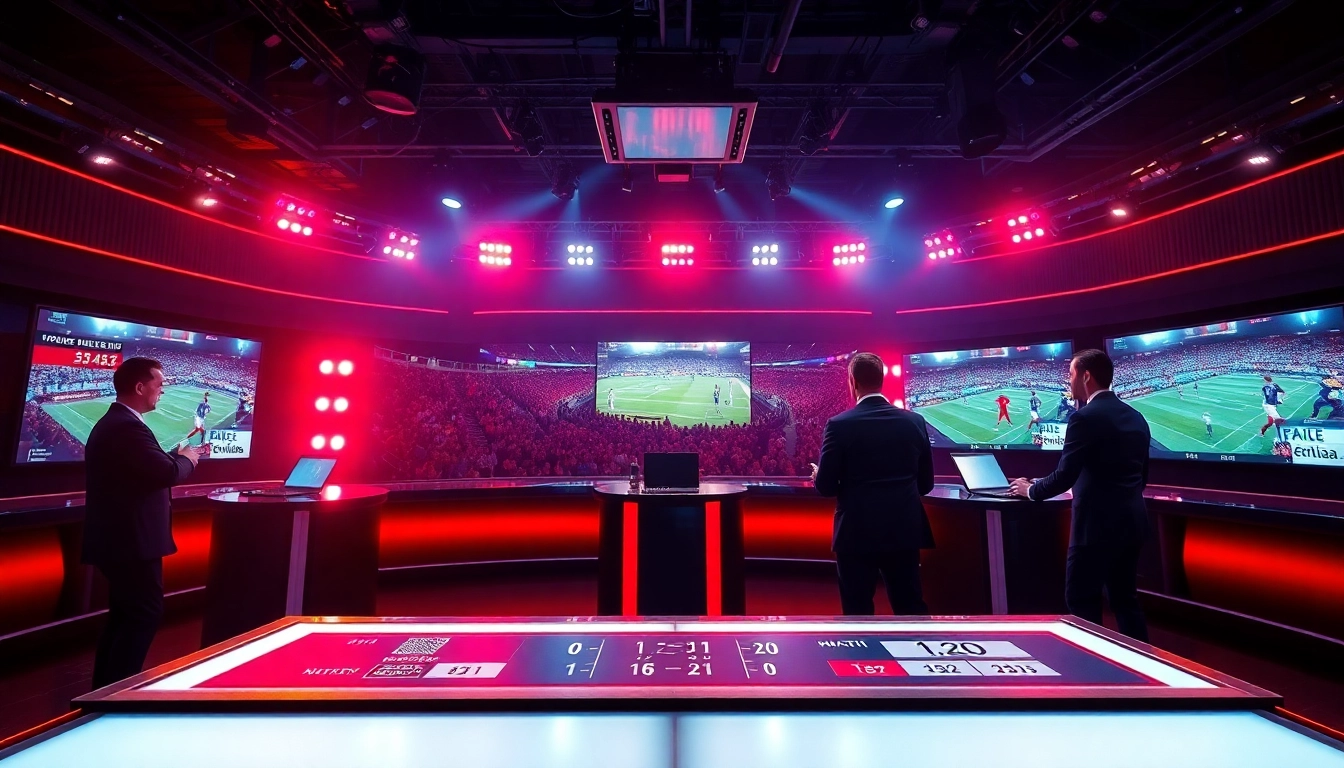
Understanding the Landscape of Sports Broadcasting
Sports broadcasting has evolved into a multifaceted industry that plays a crucial role in how fans engage with their favorite sports. It’s a convergence of media, technology, and real-time commentary that enhances the sports experience. The rapid development in digital streaming platforms has caused significant shifts in how sports are consumed globally. In this complex environment, the role of Sports Broadcasting extends beyond the confines of traditional television networks, creating opportunities for innovation, viewer engagement, and business strategies.
The Importance of Sports Broadcasting
Sports broadcasting serves as the backbone of the sports industry, acting as a bridge between the events and the audience. It creates an ecosystem where athletes, teams, leagues, and sponsors can benefit from widespread visibility. Not only does it generate revenue through advertising, but it also fuels the passion of fans by providing them with live coverage, instant analysis, and exclusive behind-the-scenes content.
Additionally, as audiences increasingly lean toward on-demand content, sports broadcasters must adapt, providing flexible viewing options that cater to diverse preferences. Without effective broadcasting, the visibility of sports events would diminish, affecting everything from ticket sales to merchandise. Thus, the importance of sports broadcasting cannot be overstated; it directly influences the economic viability of sports entities.
Key Players and Stakeholders in Sports Broadcasting
The sports broadcasting landscape comprises various stakeholders, each playing a critical role. Key players include:
- Networks and Channels: Traditional networks such as ESPN and NBC Sports hold exclusive broadcasting rights to major events and leagues, providing substantial content to viewers.
- Digital Platforms: Streaming services like Hulu Live, Amazon Prime, and dedicated sports apps allow fans to access content anytime, catering to on-the-go lifestyles.
- Teams and Leagues: Professional teams and leagues often negotiate broadcasting rights, ensuring they maintain control over their brand visibility and revenue streams.
- Sponsors and Advertisers: Businesses seeking to connect with sports fans invest heavily in ads during broadcasts, making sponsorships a pivotal financial aspect of sports broadcasting.
- Fans: Ultimately, the audience drives demand; their preferences shape content delivery, making viewer engagement a primary focus for broadcasters.
Current Trends in Sports Broadcasting
To capture audience attention in a competitive marketplace, sports broadcasting is undergoing several transformative trends:
- Streaming Services on the Rise: Traditional cable is losing ground to streaming platforms that offer live sports, allowing fans to watch anywhere and anytime.
- Social Media Integration: Broadcasters increasingly use social platforms to share highlights, behind-the-scenes content, and interact with fans, enhancing engagement.
- Augmented Reality (AR) and Virtual Reality (VR): These technologies are enhancing the viewing experience by allowing fans to engage with content in immersive ways.
- Data Analytics: Real-time data tracking provides insights into audience behavior, enabling broadcasters to tailor content and advertising to specific demographics.
- Esports Broadcasting: As esports gain popularity, broadcasters are expanding their offerings to include competitive gaming events, broadening their audience base.
Core Techniques in Sports Broadcasting
Excelling in sports broadcasting requires a unique set of techniques that sharpen the broadcaster’s ability to inform, engage, and entertain the audience.
Preparation and Research for Effective Broadcasting
Successful broadcasting begins long before the cameras roll. Thorough preparation is essential, including:
- Researching Teams and Players: In-depth knowledge of team histories, statistics, and player performances aids in delivering insightful commentary.
- Understanding the Sports Context: Broadcasting involves more than just the game; knowing league standings, historical rivalries, and current events adds depth to analysis.
- Script Development: Crafting a flexible script that outlines key points ensures broadcasters stay on topic while allowing for spontaneous commentary.
- Mock Broadcasts: Practicing in simulated environments hones delivery, timing, and the use of technology, ensuring confidence during live events.
Delivering Engaging Commentary and Analysis
Effective commentary combines entertainment with accurate information. Broadcasters must focus on:
- Storytelling Techniques: Weaving narratives around players, teams, and games captivates audiences, making broadcasts more compelling.
- Engaging Presentation Styles: Maintaining an engaging and relatable tone helps connect with viewers, making them feel part of the event.
- Using Expert Analysts: Collaborating with former athletes or coaches enriches the broadcast with expert insights unavailable to casual observers.
Utilizing Technology for Enhanced Broadcast Quality
Technology plays a pivotal role in modern sports broadcasting:
- High-Definition and 4K Broadcasting: Enhancing visuals with the latest resolution technologies improves the viewer experience.
- Multiple Camera Angles: Using various camera perspectives allows broadcasters to showcase on-field action dynamically.
- Instant Replay and Analysis Tools: Digital tools for live analysis help sports commentators break down plays and engage audiences with real-time information.
Building Your Brand in Sports Broadcasting
Establishing a recognizable and trustworthy brand in sports broadcasting can set a broadcaster apart in an increasingly crowded market.
Creating a Unique Broadcasting Voice
A distinctive broadcasting voice helps to build an identity. This can include:
- Personal Style: Developing a personal style that resonates with audiences—whether that be humor, seriousness, or enthusiasm—creates loyalty among viewership.
- Consistency: Regularly delivering high-quality content ensures audiences associate the brand with reliability and professionalism.
- Audience Interaction: Engaging with the audience during broadcasts through polls or social media responds directly to viewer interests and preferences.
Engaging with the Audience through Social Media
Social media is a powerful tool in sports broadcasting, enabling broadcasters to:
- Share Real-Time Updates: Posting live updates and highlights keeps fans informed and engaged during broadcasts.
- Create Interactive Content: Polls, Q&As, and live chats foster a two-way dialogue between broadcasters and audiences.
- Build Community: Establishing an online community helps foster fan loyalty and keeps viewers returning for future broadcasts.
Partnerships and Collaborations in Sports Broadcasting
Collaborative efforts can enhance broadcasting reach and quality:
- Partnering with Influencers: Collaborating with sports figures or popular influencers can expand reach and credibility among target demographics.
- Cross-Promotion: Engaging in cross-promotional activities with other brands or events increases visibility and attracts new audiences.
- Innovative Co-Broadcasts: Working with other broadcasters or platforms to co-host events can bring fresh perspectives and broaden viewership.
Challenges in Sports Broadcasting and How to Overcome Them
The dynamic nature of sports broadcasting comes with its challenges. Addressing these issues effectively is critical for sustained success.
Navigating Legal and Ethical Issues
Sports broadcasting operates under a myriad of legal obligations that must be respected:
- Copyright and Licensing: Understanding the limits of content use, especially in terms of highlights and replays, is crucial to avoid legal disputes.
- Ethical Reporting: Adhering to ethical standards in sports journalism, including transparency and avoiding conflicts of interest, maintains credibility.
- Privacy Considerations: Respecting the privacy of players and their families during coverage is not only ethical but also vital for maintaining professional relationships.
Managing Technical Glitches During Live Broadcasts
Live sports broadcasts are susceptible to technical failures. Strategies to manage these include:
- Backup Systems: Implementing redundant systems and backup equipment ensures continuity in case of failures.
- Technical Rehearsals: Regular technical rehearsals help identify and rectify potential issues before live broadcasts.
- Effective Communication: Establishing clear lines of communication between team members helps troubleshoot issues quickly during events.
Handling Controversies and Fan Reactions
Controversies can erupt swiftly in the world of sports. Responding effectively is key:
- Prompt Response: Addressing issues head-on, with a transparent and honest approach, can mitigate backlash.
- Communication Plans: Having a crisis communication plan in place prepares broadcasters for potential controversies.
- Acknowledging Viewer Sentiment: Monitoring fan reactions and acknowledging concerns can help rebuild trust and loyalty.
Measuring Success in Sports Broadcasting
Ultimately, the success of sports broadcasting can be evaluated through a series of metrics and feedback mechanisms.
Key Performance Indicators for Sports Broadcasting
Determining the effectiveness of sports broadcasts requires assessing several KPIs:
- Viewership Numbers: Track live audiences, including unique viewers and total views, to measure reach.
- Advertising Revenue: Monitoring ad sales during broadcasts provides insight into financial performance.
- Brand Partnerships: Evaluating the number and quality of partnerships shows how successful the broadcast is at attracting sponsorships.
Analyzing Viewer Engagement Metrics
Engaging viewers is pivotal, and metrics should help gauge this:
- Social Media Interactions: Likes, shares, comments, and follows can provide a clear picture of audience engagement.
- Audience Retention Rates: Analyzing how long viewers stay engaged with broadcasts helps understand content impact.
- Viewer Feedback: Gathering direct feedback through surveys or polls can provide qualitative insights into audience satisfaction.
Adjusting Strategies Based on Feedback
Success in sports broadcasting requires adaptability:
- Reviewing Metrics Regularly: Consistent analysis of data allows broadcasters to make informed decisions regarding content strategies.
- Responding to Viewer Preferences: Catering to viewer demands improves satisfaction and boosts loyalty.
- Innovating Content Delivery: Embracing new formats or delivery methods can keep the audience engaged and attract new viewers.
FAQs
What is Sports Broadcasting?
Sports Broadcasting refers to the dissemination of sports-related content via television, radio, or online platforms, providing real-time updates, analysis, and commentary.
How do I start a career in Sports Broadcasting?
Begin by acquiring relevant education in communications or journalism, gaining experience through internships, and developing a strong portfolio showcasing your work.
What equipment is essential for Sports Broadcasting?
Essential equipment includes high-quality cameras, microphones, mixing consoles, and broadcasting software to ensure professional audio-visual output during broadcasts.
How do networks determine what sports to broadcast?
Networks evaluate factors such as audience interest, market size, sponsorship potential, and available rights to determine which sports events to air.
What role do social media platforms play in Sports Broadcasting?
Social media enhances fan engagement by providing real-time updates, creating interactive content, and promoting upcoming broadcasts, significantly increasing reach and interaction.